
The CRM integration market: where the connector gaps are
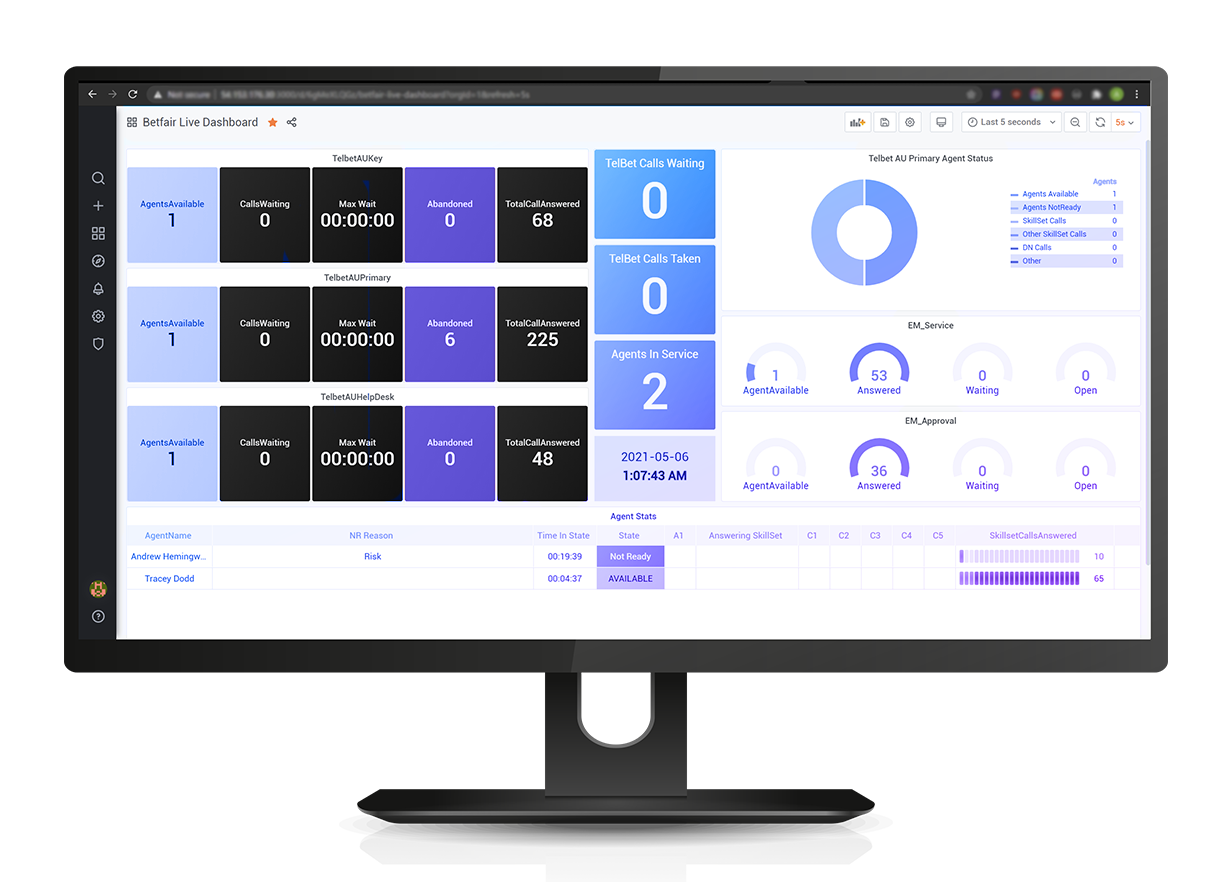
Native CTI coverage collapses past Salesforce and Zendesk. Here's what that means for contact centres choosing a CRM integration today.
Two patterns dominate the connector market
Map the major contact-centre marketplaces against the mainstream CRMs and two patterns jump out. First, native screen-pop coverage is universal only for Salesforce and Zendesk. Step past those two and the out-of-the-box connector — the thing that actually delivers screen-pop, click-to-dial and in-CRM call logging — disappears fast.
Second, enterprise CRMs cluster on the enterprise platforms. Oracle, Pega, SAP and Kustomer are effectively NICE-and-Genesys-only; they barely exist natively on the mid-market and SMB platforms. The gaps are predictable, and they're where the value is.
The most valuable gaps
- Microsoft Dynamics 365 is widely supported but the experience varies enormously by platform — and on Amazon Connect specifically, a modern, multi-tenant CIF v2 connector is exactly the kind of integration buyers struggle to find off the shelf.
- HubSpot is the standout enterprise-side gap: fast-growing, moving upmarket, yet absent natively on both enterprise CCaaS platforms.
- Zoho CRM is missing precisely where its buyers are arriving — large in SMB and APAC, but no native connector on several major platforms.
- Staffing & recruitment CRMs (Bullhorn, JobAdder) are a near-empty category, despite JobAdder's dominance across Australia and New Zealand.
The 2028 catalyst: a forced rebuild
The single biggest demand event in the CTI connector market this decade is a re-platforming one. Salesforce has placed Open CTI in maintenance mode with an end-of-life of 28 February 2028. After that, Open CTI integrations stop functioning, and every Salesforce telephony connector — including the Amazon Connect adapter — must move to the modern successor.
Migrations of this kind run 12–18 months, so demand peaks across 2026–2027, not at the deadline. And the same modern-architecture logic applies on the Microsoft side: Dynamics keeps pushing its Channel Integration Framework (CIF) v2 as the multi-session standard. Modernising now, on the current framework, means you're ahead of the curve instead of scrambling behind it.
What this means if you run Amazon Connect and Dynamics 365
If your contact centre runs Amazon Connect and your business runs Dynamics 365, the integration most likely to be under-served — or stuck on a legacy pattern — is exactly the one ProUCX has built. Our AWS Connect for Dynamics 365 connector delivers screen-pop, click-to-dial, automatic call logging and wrap-up disposition inside the Dynamics agent workspace, on CIF v2, multi-tenant, and hosted on AWS with data residency in Australia, Singapore, the USA and Europe.
The same connector core extends to the other gaps above — which is why our roadmap targets Aircall, Zoho, HubSpot and the staffing CRMs next.
The takeaway
The connector market is wide open above the SMB tier, and a forced re-platforming is resetting it. The winning move isn't another Salesforce widget — it's a modern, multi-tenant connector aimed at the CRMs the big platforms skipped, delivered on current frameworks before the 2028 cliff.
See the Dynamics 365 connector in action
Book a demo against an environment like yours.
All three cover the enterprise CRMs and all three leave the mid-market to connectors. Native coverage, the five cost lines, migration friction, and what to do if the CRM is Dynamics, HubSpot or Pipedrive.
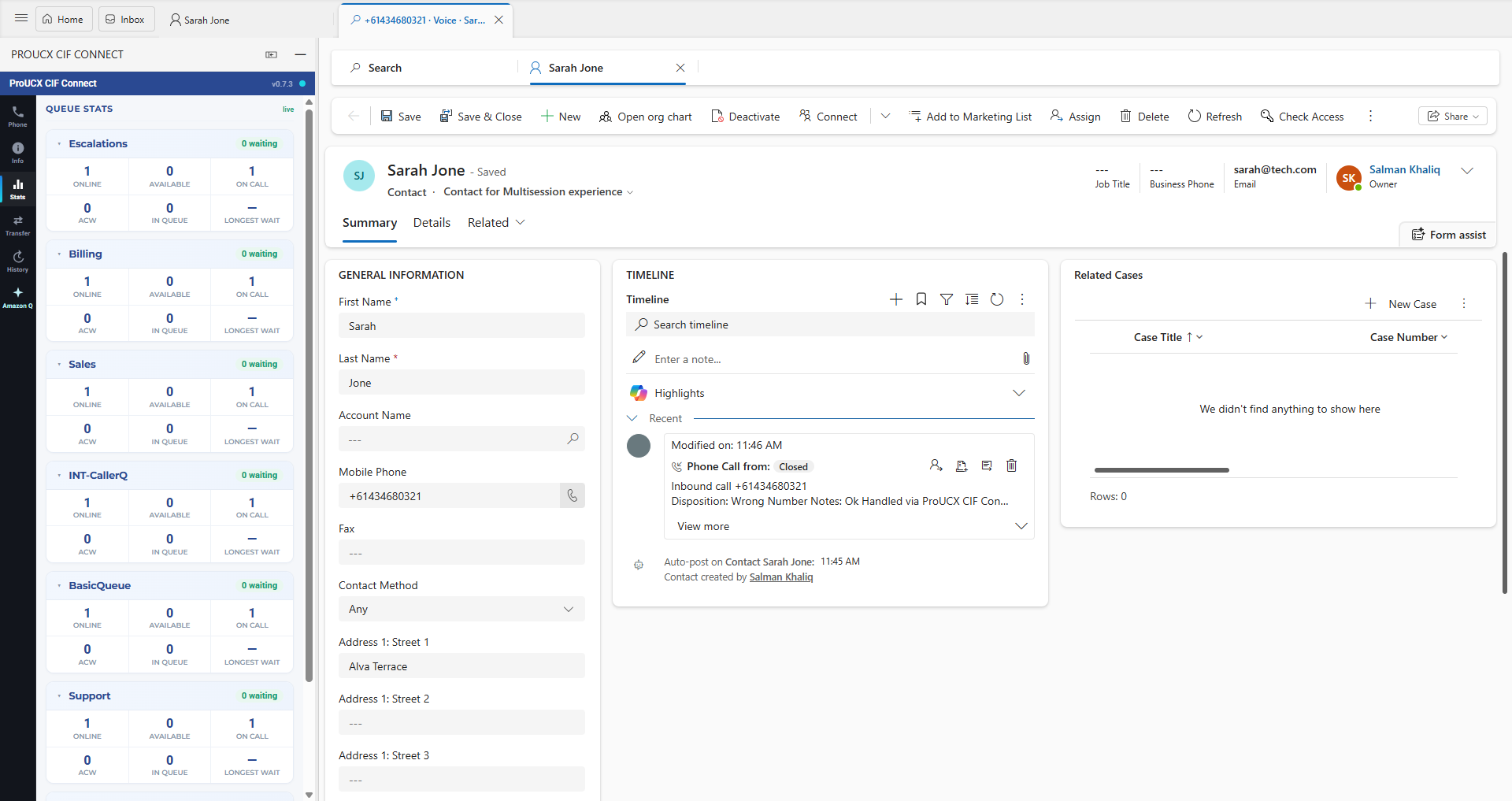
Link, embed, CTI or full workspace — four products at four prices. What screen-pop really requires, how logging differs per CRM, and the eight questions to ask before signing.
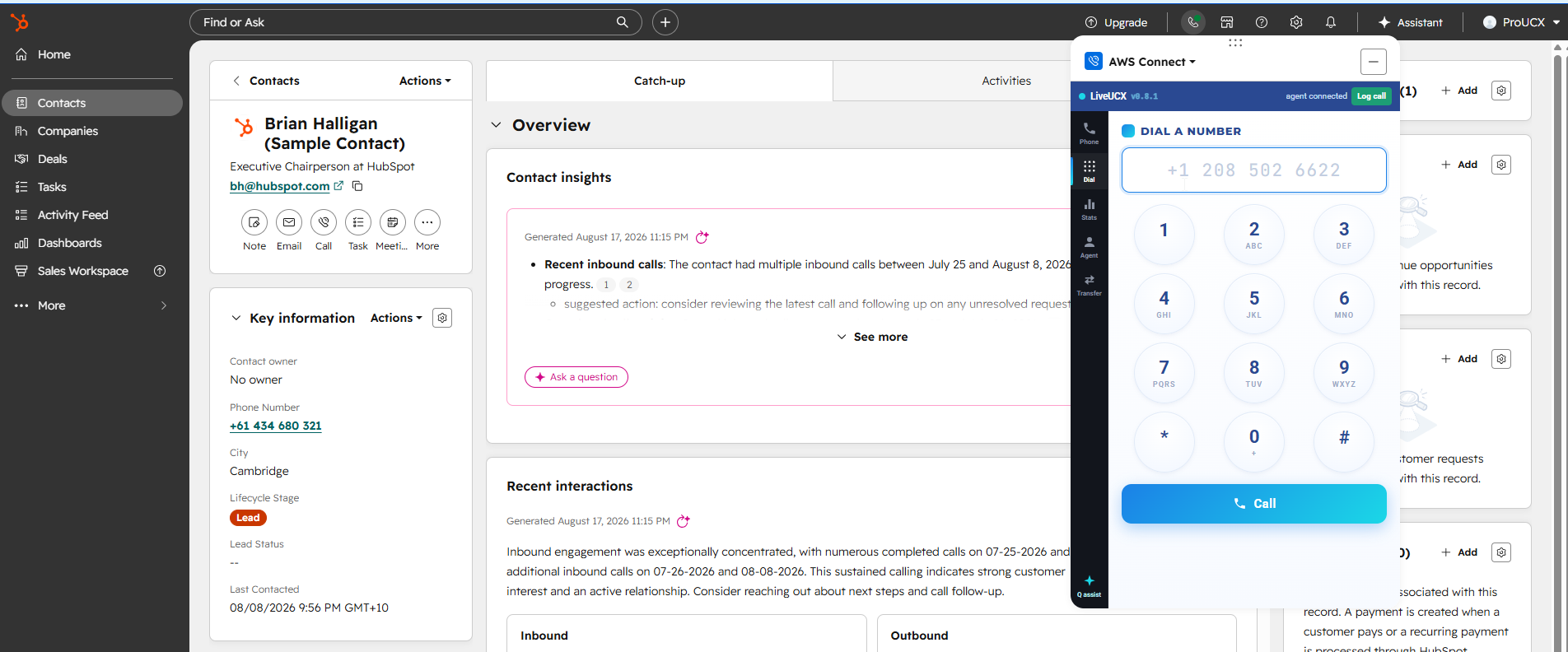
HubSpot Calling is a good phone feature and a poor contact centre. Where the line sits on routing, queues, IVR and compliance recording, and how Calling Extensions joins the two.